
Skip to content

Setting the Record Straight: Addressing Accusations, Rumors, and Misinformation on Social Media

This page is dedicated to providing residents with the facts, correcting misinformation, and responding to accusations circulating on social media. Our goal is simple: transparency, accountability, and ensuring that Mount Olive residents have accurate information.

Facebook.svg

What's Really Behind the Former Mayor's Social Media Posts?

In March 2025, the former Mayor appeared before the Township Council regarding an ordinance addressing Airbnb and short-term rentals. He had requested that the second reading of the ordinance be postponed because he would be away on a trip, ironically, with me and several others.
The Council did not grant his request to postpone the hearing. Following that decision, he sent me a text message stating, “Everything is Personal now.”
Think about that. Because the Council did not grant a request to accommodate his personal schedule, his response was to declare that everything was now personal.
A disagreement over a Council decision should not become a personal matter simply because someone did not get the outcome they wanted.

Images

The Truth About Mount Olive's Tax Increase and the CFO Transition

The simple truth is that Mount Olive's municipal taxes increased because the cost of operating the Township continued to rise while our revenues declined. It really comes down to that basic financial reality.
Like every municipality, Mount Olive faces increasing expenses, many of which are beyond our control. Health insurance costs alone have increased significantly, along with utilities, contractual obligations, salaries, and the everyday costs of providing essential municipal services.
At the same time, some of the revenues the Township traditionally relied upon have not kept pace with those rising expenses. When expenditures continue to increase and revenues fail to grow at the same rate, the financial gap must eventually be addressed.
That is the primary reason taxes increased. It was not because of a new CFO, accounting adjustments, or administrative issues.
There has also been considerable discussion about the transition in our Finance Department, so I want to address that directly.
Mount Olive was fortunate to have an experienced Chief Financial Officer who served the Township for approximately 25 years. That kind of experience and institutional knowledge is extremely valuable. When someone who has managed a municipality's finances for a quarter of a century leaves, there is naturally a period of adjustment.
Our new CFO stepped into a position with significant responsibilities, established procedures, numerous financial accounts, and years of financial history to understand and manage.
As with many major personnel transitions, there were challenges along the way. Certain accounting procedures, bank reconciliations, and other administrative matters required additional attention. Those issues were identified, addressed, and resolved.
Were there challenges during the transition? Yes. Were they addressed? Yes. Were they the underlying reason municipal taxes increased? No.
It is important not to confuse administrative challenges with the larger financial pressures facing the Township.
The fact remains that our operating costs have increased faster than our recurring revenues. We cannot continue providing the same level of police protection, public works, road maintenance, recreation, health services, and other essential municipal services without paying the actual cost of delivering them.
For years, Mount Olive was able to avoid municipal tax increases while expenses continued to rise. However, holding taxes flat does not mean the cost of government remains flat. Eventually, when revenues and available reserves cannot keep up with expenses, adjustments become necessary.
That is the financial reality we are dealing with today.
I fully understand that no resident wants to see their property taxes increase. I don't either. As a Mount Olive resident and taxpayer, I am affected by those same increases.
But I also have a responsibility to be transparent about the Township's finances and make decisions that protect its long-term financial stability.
Blaming the new CFO or pointing to accounting issues does not change the underlying numbers. The Township's recurring revenues were not keeping pace with its growing operating expenses.
We will continue reviewing expenditures, looking for efficiencies, pursuing additional revenue opportunities, and working to control costs wherever possible without compromising the services our residents depend upon.
Residents deserve an explanation based on the financial facts, not political accusations or misinformation.
The bottom line: Taxes increased because operating costs rose and revenues declined. The CFO transition presented challenges, but those challenges were addressed. They were not the fundamental cause of the tax increase.
D3741807 379a 4bbd 830f 41eb4cf4c8a9

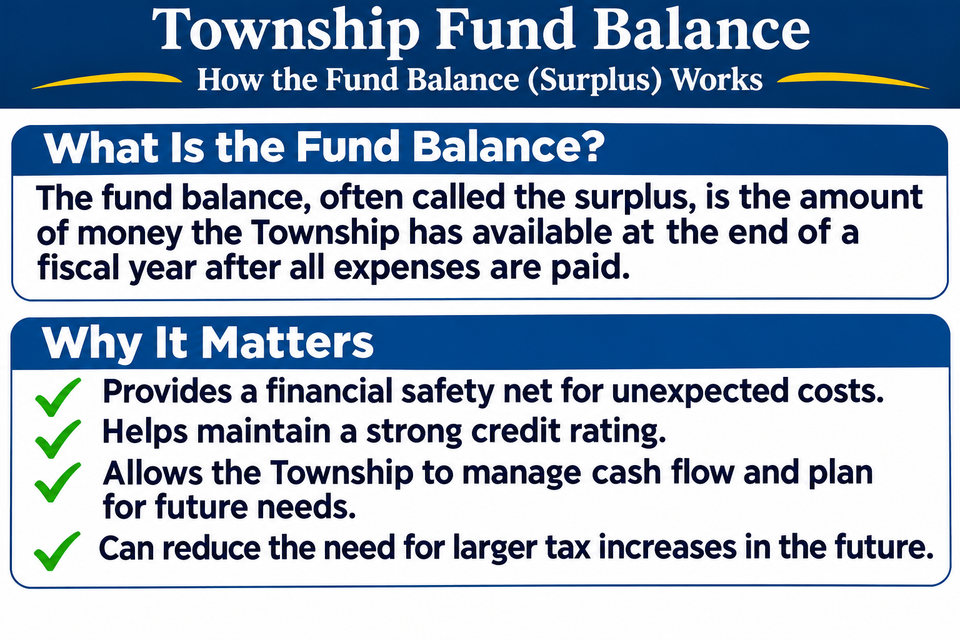
What Happened to Mount Olive Township's $14 Million Fund Balance?

When I took office in 2024, the former Mayor told me directly, as he had told others, that municipal taxes would eventually have to increase and that I would be the one faced with making those difficult decisions. I recall him saying, “I'm getting out in time.”
This was not a surprise. Our longtime CFO had also warned, even during the previous administration, that the Township could not continue relying on existing revenues and surplus indefinitely. Eventually, those revenue sources would no longer be sufficient to keep pace with rising operating expenses, and tax increases would become necessary.
For years, Mount Olive was able to avoid municipal tax increases while the costs of health insurance, utilities, salaries, and other essential services continued to rise. However, just because taxes remained unchanged did not mean the cost of running the Township remained unchanged.
Looking back, I believe a more gradual approach to municipal taxes would have made better long-term financial sense. Even with a healthy surplus, modest annual increases could have helped keep recurring revenues aligned with rising expenses, reducing the need for larger adjustments later.
A healthy surplus is important, but it is not a substitute for sustainable recurring revenue. Once reserves are used to cover ongoing operating costs, those funds must eventually be replenished.
The financial challenges we are facing today did not develop overnight. They were anticipated, and the warnings were there.
In hindsight, making smaller adjustments over time could have helped spread the financial burden more evenly rather than leaving residents to absorb larger increases in a shorter period.
My responsibility now is to address those challenges, protect the Township's financial stability, and make the decisions necessary to maintain the services our residents expect and deserve.
Images

Did Mount Olive Township Really Have a $4 Million Deficit?

Did Mount Olive Township Have a $3.9 Million Deficit?

The answer is yes and no. On paper, and on paper only, the Township reported a $3.9 million deficit. However, that did not mean the Township was actually $3.9 million short of funds or facing a financial crisis.
The issue was related to the timing of a bond sale. Our CFO completed the bonding process later than usual, which meant the anticipated funds were not available within the required financial reporting period. As a result, the Township was required to report a deficit on its financial statements.
This was an accounting and timing issue, not a situation where $3.9 million had been lost or improperly spent. The Township had financial resources available, including its fund balance, but the timing of the bond proceeds created a reporting issue that needed to be addressed.
Because of this, we were required to appear before the State of New Jersey to explain the circumstances and demonstrate how the situation would be corrected.
The State understood the explanation and recognized that this was a one-time occurrence rather than an indication of an ongoing financial problem.
Most importantly, the situation did not negatively affect the Township's bond rating or its ability to borrow. The Township remained on solid financial footing.
There is an important difference between a municipality experiencing a genuine operating deficit because it cannot meet its financial obligations and a deficit appearing on its financial statements because of the timing of anticipated financing.
The bottom line is that the $3.9 million deficit was a financial reporting issue caused by the timing of the bond sale. It was not $3.9 million in missing money, and it did not result in a downgrade of the Township's credit rating.
Residents deserve to understand that distinction rather than being led to believe the Township lost millions of dollars.
Screenshot 2026 11 21 at 12.09.39 pm

Was It a Wise Financial Decision to Go 12 Consecutive Years Without Raising Municipal Taxes?

It's always easy to play Monday morning quarterback and look back at decisions made years ago. However, with the benefit of hindsight and the financial information we have today, I believe it's fair to ask whether keeping municipal taxes unchanged for 12 consecutive years was the best long-term financial strategy.
Let's look at the numbers.
From 2012 through 2023, Mount Olive's municipal budget increased approximately 35%, from $26.94 million to $36.38 million. That's an increase of roughly $9.44 million in annual operating expenses.
During that same period, municipal taxes were held flat. While that was certainly welcome news for taxpayers at the time, the cost of operating the Township continued to rise.
To help balance the budget, the Township relied in part on its fund balance, commonly referred to as surplus, with the expectation that those funds would be replenished through future revenues.
That approach can work for a period of time, particularly when revenues are strong and the surplus remains healthy. However, a healthy surplus does not guarantee that revenues will continue growing fast enough to cover increasing expenses indefinitely.
Eventually, the Township reached a point where operating expenses were increasing faster than recurring revenues. Health insurance, utilities, contractual obligations, and other costs continued to rise, while certain revenue sources declined or failed to keep pace.
That is when the financial gap became impossible to ignore, and municipal tax increases became necessary.
Looking back, I believe there is a reasonable argument that smaller, more gradual tax increases over those 12 years could have helped keep recurring revenues better aligned with operating expenses. Rather than allowing the gap to grow, modest annual adjustments might have reduced the need for larger increases later.
I have had conversations with previous mayors and other elected officials who have expressed a similar view: sometimes it makes more financial sense to make smaller adjustments along the way rather than postpone them and leave a larger burden for the future.
Of course, no one wants to raise taxes, and I understand why holding them flat was appealing. But keeping taxes unchanged does not mean the cost of government remains unchanged.
A municipality must plan not only for the current year but also for the financial challenges it may face five, ten, or even fifteen years down the road.
To be fair, gradual increases would not have eliminated every financial challenge we face today. Inflation, rising health insurance costs, and declining revenues would still have affected the Township. However, a more consistent approach to recurring revenue could have provided additional financial flexibility.
The bottom line is that holding municipal taxes flat for 12 years provided immediate relief to taxpayers, but it also raises an important question about long-term sustainability.
In hindsight, smaller increases over time may have been easier for residents to absorb than larger adjustments becoming necessary all at once.
My responsibility today is not simply to look back at what could have been done differently. It is to learn from those decisions, address the financial realities we face, and work toward a more sustainable approach that protects both taxpayers and the services our residents depend upon.
Good financial planning isn't just about keeping taxes low today. It's about making sure the Township can afford to operate tomorrow.
Audio stamp

Why Was the Town Audited?

Copy of the report can be found here.
The Township of Mount Olive undergoes an independent financial audit every year, as required by law. Historically, our audits have generally resulted in few, if any, recommendations for corrective action. Much of that consistency can be attributed to our former Chief Financial Officer, who served the Township for approximately 25 years and brought decades of experience and institutional knowledge to the position.
When our new CFO took over, he inherited financial systems, accounting procedures, and established practices that had been in place for many years. As with any major leadership transition, adjustments were necessary to implement new procedures and systems consistent with his approach to managing the Township's finances.
Were there some challenges and missteps during that transition? Yes. Certain issues were identified that required additional attention and corrective action.
However, those issues were reviewed, addressed, and rectified. Where the auditors made recommendations, the Township took steps to implement them and strengthen its financial procedures and internal controls.
It is important to understand that an audit recommendation does not automatically mean money is missing, taxpayer funds have been lost, or the Township is in financial trouble. Audits are designed to identify areas where accounting practices, documentation, oversight, and internal controls can be improved.
The purpose of the annual audit is not simply to identify problems but also to help ensure that the Township maintains accurate financial records, follows proper procedures, and continues improving its financial operations.
The bottom line is that the Township experienced a transition from a CFO with 25 years of experience to new financial leadership. There were challenges along the way, but those issues were identified and corrective measures were implemented.
Our responsibility is to acknowledge issues when they arise, address them, and make sure the appropriate safeguards are in place moving forward.
That is what accountability and responsible financial management are about—not pretending that mistakes never happen, but ensuring they are corrected and that procedures are improved to help prevent them from happening again.
Mount olive township check template

Were There Overpayments Made?

Yes. In 2025, two overpayments were made by the Township—one to the Mount Olive Board of Education and another to the Mount Olive Public Library.
These overpayments resulted from how the payments were processed within the Finance Department. Both errors were subsequently identified, and the overpaid funds were returned to the Township.
It is important to understand that these were administrative processing errors, not additional expenditures that the Township intended to make. Once the discrepancies were discovered, corrective action was taken to recover the funds.
No taxpayer money was permanently lost as a result of these two overpayments.
As part of the Finance Department's transition and ongoing review of its accounting procedures, these situations also highlighted the importance of maintaining proper internal controls, reviewing payment procedures, and ensuring accurate financial reconciliations.
While mistakes of this nature should not occur, what matters is that they are identified, corrected, and that procedures are strengthened to help prevent them from happening again.
The bottom line is simple: Two overpayments occurred in 2025, both were discovered, and the money was returned to the Township. These errors were corrected and were not the cause of the 2026 municipal tax increase.
Residents deserve to know what happened, how it was addressed, and that the Township continues working to maintain accountability and transparency in its financial operations.
Screenshot 2026 11 21 at 12.14.03 pm

Is It True That Some of the Township's Bank Accounts Were Not Reconciled?

No, but some bank reconciliations fell behind during the transition to our new Chief Financial Officer. However, there is an explanation for what happened and the steps taken to address it.
When our new CFO took office, one of the changes he implemented was moving the Township's banking operations to a new financial institution to take advantage of better interest rates and improve the return on taxpayer funds.
It is important to understand that the Township does not operate with just one bank account. We maintain numerous accounts for different municipal departments, dedicated funds, escrow deposits, and other financial obligations. Each of these accounts requires proper accounting, monitoring, and reconciliation.
At the same time this banking transition was taking place, our Finance Department was operating with two vacant positions, along with a new CFO who was still becoming familiar with the Township's financial systems and procedures.
With the responsibility of establishing new accounts, transferring banking operations, handling daily financial transactions, and managing the department with reduced staffing, reconciliations for some of the former bank accounts fell behind schedule.
Was this an issue that needed to be addressed? Absolutely. And we took steps to address it.
Rather than allow the backlog to continue, we brought in experienced outside accounting professionals to assist the Finance Department with catching up on the outstanding reconciliations and reviewing the transition.
This additional assistance was necessary because hiring new employees would not have provided an immediate solution. New staff would first need to be recruited, trained, and familiarized with the Township's accounting systems.
Bringing in experienced professionals allowed the department to address the backlog while continuing its regular financial responsibilities.
Today, our Finance Department is fully staffed, and the employees have been trained in the appropriate accounting procedures. The Township has also taken steps to improve its processes and strengthen financial oversight moving forward.
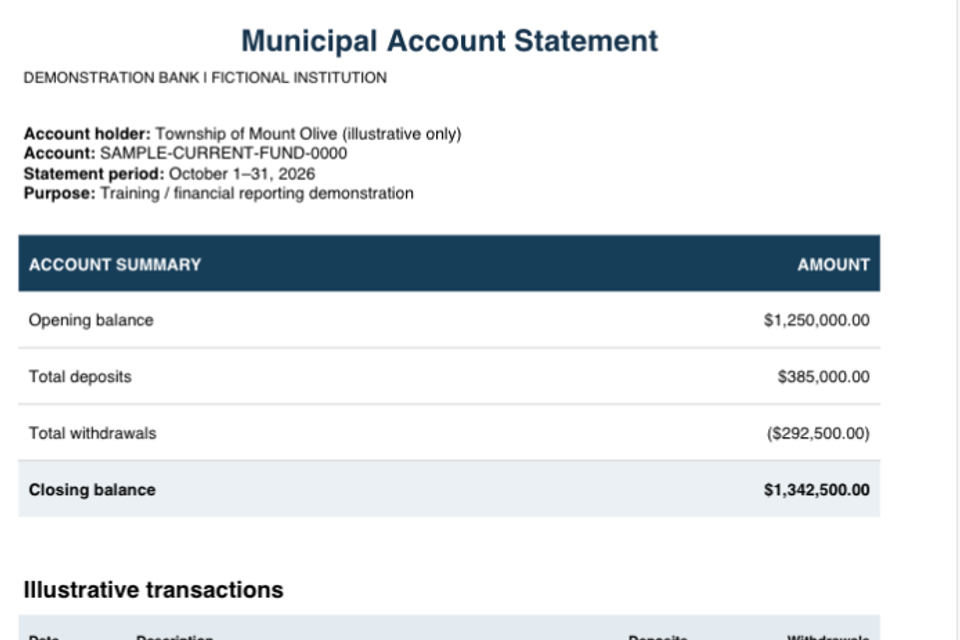
It is also important to understand that a delayed bank reconciliation does not automatically mean money is missing or has been improperly spent. A reconciliation is the process of comparing bank statements with the Township's accounting records to ensure transactions are accurately recorded and any differences are identified.
That does not mean delayed reconciliations are acceptable. They are an important financial control and must be completed in a timely manner.
The bottom line is that the transition to a new bank, combined with two staffing vacancies and a change in financial leadership, created a backlog in bank reconciliations. The Township recognized the problem, brought in professional assistance, and now has a fully staffed Finance Department with trained personnel and improved procedures.
Residents deserve to know what happened, why it happened, and what was done to address it. That is what transparency and accountability are about.
Images 3

Misinformation About the Backyard Chicken Discussion — Let's Set the Record Straight

Recently, I have seen people on social media making jokes and mocking the discussion about backyard chickens that was brought before the Township Council by a resident.
Frankly, I find that disappointing and disrespectful, especially when some of those comments come from people who previously served in elected office.
Let me make something very clear: Every resident of Mount Olive has the right to bring an issue or concern before their elected officials and expect to be treated with respect.
Whether the issue involves taxes, roads, development, public safety, or something as simple as allowing backyard chickens on smaller residential properties, it deserves to be heard.
Just because an issue may not be important to you does not mean it isn't important to someone else.
A resident took the time to come before the Council and raise a concern about our current ordinance. That resident was exercising the very right that local government is supposed to protect: the opportunity to participate in decisions affecting our community.
The Council has a responsibility to listen, consider residents' concerns, and determine whether an issue deserves further discussion or possible action. That is exactly what local government is supposed to do.
Bringing an issue forward for discussion does not mean the Council has already decided to change an ordinance. It does not mean everyone agrees with the proposal, and it certainly does not mean the Township has made a final decision.
It simply means that a resident raised a concern and the Council is willing to listen.
There may be residents who support allowing backyard chickens on smaller properties, and there may be others who oppose it because of concerns about noise, sanitation, property sizes, or neighboring homes.
Both sides deserve to be heard and treated respectfully.
That is the purpose of public discussion: to understand the concerns, examine the facts, and determine whether there is a reasonable solution that addresses the interests of both sides.
Sometimes those discussions result in changes to an ordinance. Other times, after reviewing the information, the Council may decide that the existing regulations should remain in place.
Either outcome is part of the democratic process.
What concerns me most is when people, particularly former elected officials who should understand how municipal government works, choose to ridicule an issue simply because they personally do not consider it important.
We should be encouraging residents to attend meetings, ask questions, express opinions, and become involved in their local government—not discouraging them by making them the subject of social media jokes.
You do not have to agree with someone's position to respect their right to express it.
The bottom line is simple: This was a resident's request for the Council to consider an issue, not a decision to change the law.
I would much rather have residents who care enough about their community to speak up than residents who remain silent because they are afraid of being mocked.
Public participation should be encouraged, not ridiculed. Respectful disagreement is healthy. Making fun of residents for bringing their concerns to their elected officials is not.
That is how I believe local government should work, and that is the standard of respect every Mount Olive resident deserves.
Img 0680

What's up the the Eagle?

The magnificent eagle sculpture now standing at our Municipal Building was generously donated by Morris County Parks and brought to Mount Olive through a collaborative public-private partnership.
This impressive sculpture represents more than just a beautiful addition to our Township. It is a symbol of freedom, strength, patriotism, and community pride.
Once the surrounding landscaping, lighting, and finishing touches are completed, the eagle will create a striking and welcoming entrance to our Municipal Building—something residents and visitors alike can enjoy for years to come.
The accompanying image is an artist's rendering of how the completed display is envisioned to look.
You can read more about the eagle's journey to Mount Olive and the partnership that made it possible here:
https://www.mypaperonline.com/giant-eagle-sculpture-lands-in-mo-as-symbol-of-pride.html
Screenshot 2026 11 21 at 11.25.03 am
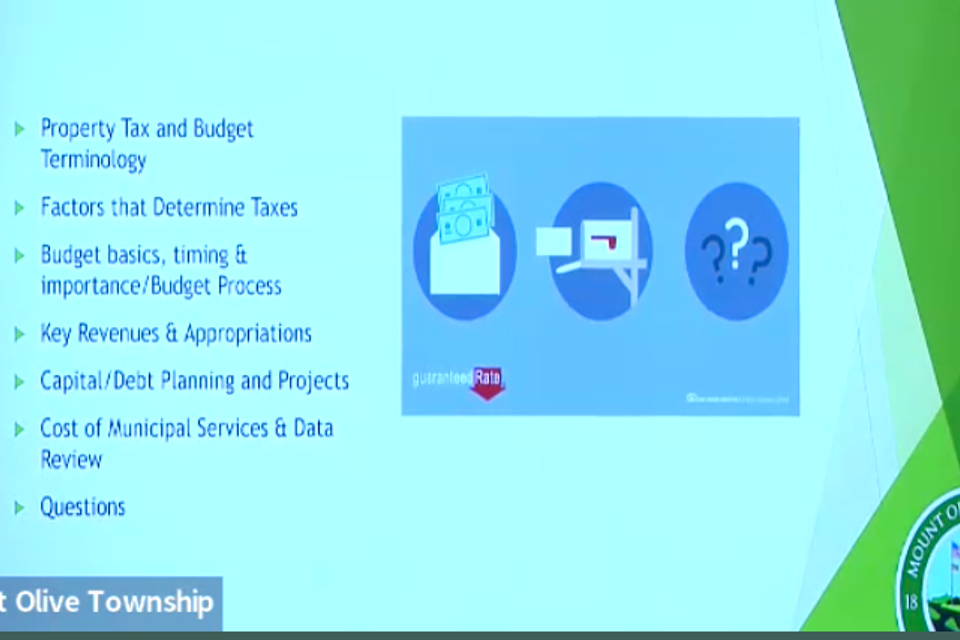
I’m reposting the tax town hall meeting held in April 2025, which explains the tax increase and the reasons behind it.
As we prepare the 2027 Budget I am reposting a town hall meeting on taxes and will hold another in early 2027 prior to the adoption.
https://mountolivetownshipnj.new.swagit.com/videos/381670

Cost of Services: 42:25
Capital Spending 45:44
Debt Planning 48:12
Your Property Tax assessment 50:00
Understanding the Fund Balance 1:11.56
Mt Olive rates verse our Neighbors 1:15.40
Decrease in Revenue/Increased expenses 1:16.03
Screenshot 2026 11 21 at 11.41.13 am

Why Doesn't Councilwoman Mary Lalama Use the Last Name Nicastro?

Contrary to some of the misinformation circulating on Facebook, Councilwoman Mary Lalama's legal name is Mary Lalama. That is the name she uses for official Township business, government records, and election purposes.
When Mary decided to run for Township Council, she chose to add Nicastro to her Facebook name for one simple reason: transparency.
She wanted residents to know that she is married to Mayor Joe Nicastro. Rather than hide that relationship, she made it clear by including his last name on her social media profile.
However, adding a married name to a Facebook profile does not legally change someone's name. Her legal name remains Mary Lalama, which is why that is the name she uses on official documents and in her role as a Councilwoman.
There is absolutely nothing misleading, improper, or secretive about using your legal name for official government business while choosing to include your spouse's last name on social media.
People use different versions of their names on social media every day, including maiden names, married names, and hyphenated names. That does not mean they are attempting to deceive anyone.
The bottom line is simple: Mary Lalama is her legal name, and adding Nicastro to her Facebook profile was a deliberate effort to be open about our marriage—not to conceal it.
There are plenty of important issues facing Mount Olive that deserve thoughtful discussion. Creating controversy over someone's Facebook name, when the facts are straightforward, serves no constructive purpose.
Residents deserve accurate information, not unnecessary speculation or manufactured controversy.
Untitled

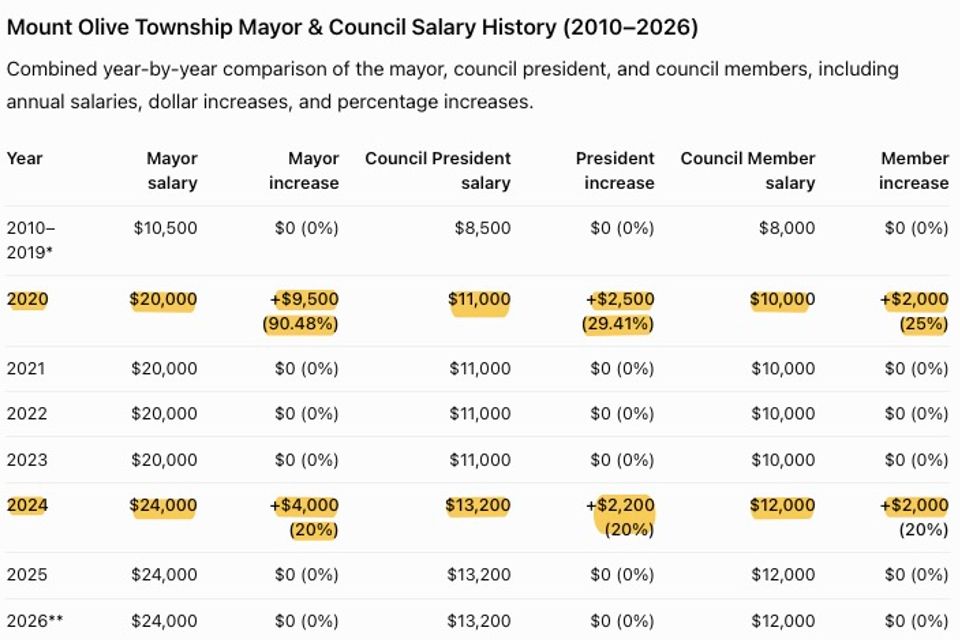
Did the Mount Olive Township Council vote to increase its own salaries in 2024?

Yes, the Mount Olive Township Council voted to increase salaries for both the Mayor and Council members on two occasions over the past 16 years: in 2020 under the previous administration and again in 2024 under the current administration. Prior to the 2024 increase, salaries had last been adjusted in 2020.
It is also important to understand that Mount Olive operates under a strong-mayor form of government, meaning the Mayor serves as the Township's chief executive officer and is responsible for overseeing the day-to-day operations of the municipality.
Many surrounding towns operate under different forms of government, where the mayor's responsibilities and authority are significantly different. Therefore, simply comparing salaries without considering the duties of the position does not tell the whole story.
Mount Olive's current Mayor is in the office daily, actively involved in Township operations, and available 24 hours a day, seven days a week to address municipal matters and emergencies. The position involves far more than attending meetings. It carries ongoing executive, administrative, and public safety responsibilities.
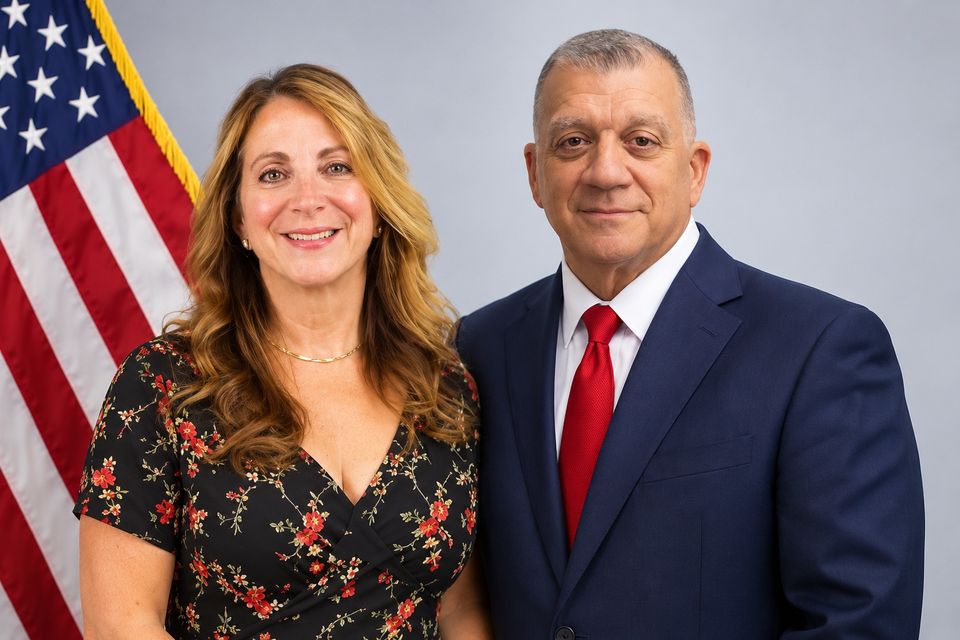
Formal portrait with american flag

Can a husband and wife serve as Mayor and Council in the same town in NJ?

Mount Olive operates under the Faulkner Act Mayor–Council form of government, in which the mayor exercises executive responsibilities and the council exercises legislative responsibilities.

A married couple serving in those separate elected roles.
They may both participate in ordinary municipal matters, including budget deliberations and policy decisions, provided no disqualifying personal or financial conflict exists.
Elections

Why Was a Replacement Sought for Councilwoman Colleen Labow?

In 2025, Councilwoman Colleen Labow reached out to the Mayor personally and informed him that she intended to resign from the Mount Olive Township Council.
Rather than simply accepting her decision, The Mayor took the time to speak with her and encouraged her to reconsider. He believed that, after her many years of service to Mount Olive, she should finish the term she had been elected to serve. Following our conversation, she agreed to remain on the Council.
However, Mrs. Labow had also indicated that she did not intend to seek reelection. Based on that information, the process of identifying a candidate to run for her Council seat began.
After discussions and consideration, a replacement candidate was selected. It was only after that decision had already been made that Mrs. Labow changed her mind and decided she wanted to run again.
Let me be clear: Mrs. Labow has every right to change her mind, and she has every right to seek reelection. I respect those rights, just as I respect her many years of service to our community.
However, it is equally important to understand that the decision to seek another candidate was not made out of personal animosity or an effort to push her aside. It was made based on the information she herself had provided about her plans.
Had she indicated from the beginning that she intended to seek another term, the circumstances would have been different. But once she announced her intention not to run, others moved forward in good faith to ensure there would be a candidate for the position.
Changing her mind does not mean that everyone else was obligated to reverse decisions that had already been made.
I believe residents deserve to understand the full sequence of events rather than hearing only part of the story.
Bdfb2790 075a 4a75 99b2 e0ca6821919d

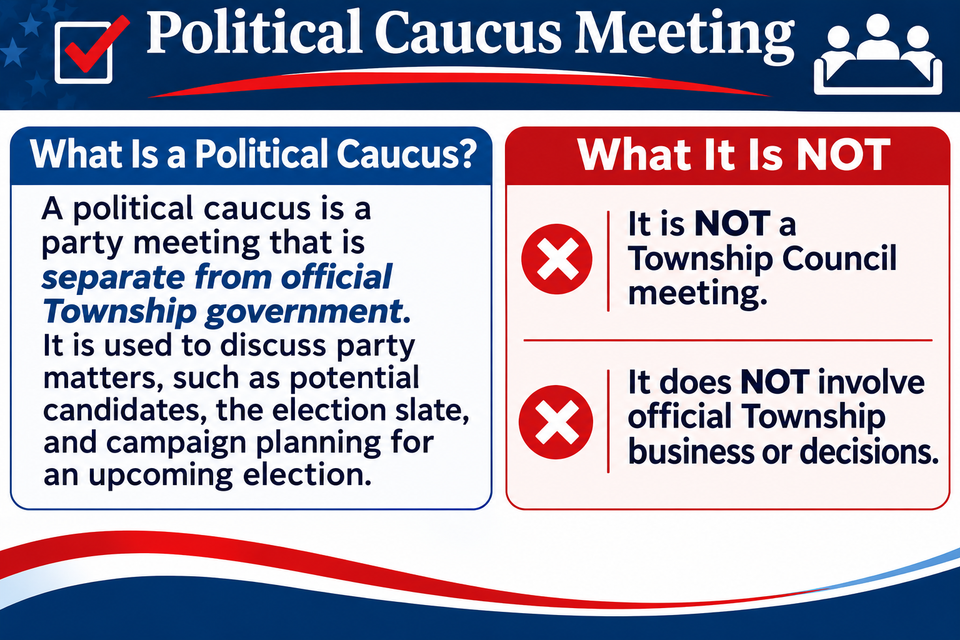
Why Was Councilwoman Colleen Labow Excluded from the Political Caucus Meeting?

The fact is that Councilwoman Colleen Labow announced her intention to run as an independent candidate in next year's election. Following that announcement, the Township Attorney advised that she should not participate in the political caucus meeting because of its political nature.
It is important to understand that this was a political caucus meeting, not an official Township Council meeting. There is a significant distinction between the two.
This decision does not diminish Councilwoman Labow's role, responsibilities, or authority as an elected official. She will continue to receive all information related to official Township business, including appointments, municipal matters, and any decisions requiring Council approval.
She will also retain her full right to participate in Council discussions, ask questions, express her opinions, and vote on every matter that comes before the governing body.
To be absolutely clear, Councilwoman Labow is not being excluded from Township government or prevented from representing the residents who elected her. The attorney's advice concerned her participation in a political caucus meeting, not her ability to carry out her official duties.
Regardless of anyone's political plans or affiliations, the responsibilities of elected office remain unchanged. Councilwoman Labow will continue to have the same access to official Township information and the same voting authority as every other Council member.
The bottom line is simple: A political caucus is separate from official Township business. Councilwoman Labow's rights and responsibilities as an elected Council member remain fully intact.
Images 1

Did Mount Olive Township Spend More Money on Auditors This Year?

Yes, this is true, and there is a reasonable explanation for why the Township needed additional auditing and accounting assistance.
At the time, our Finance Department was operating with two vacant positions, while also going through a significant transition with a new Chief Financial Officer. There was a backlog of bank reconciliations that needed to be completed, along with a review of the accounting procedures and financial systems being implemented by the new CFO.
We had two choices: hire new employees immediately and spend considerable time training them while the backlog continued to grow, or bring in experienced outside accounting professionals who could begin working immediately to help get everything caught up and properly organized.
We chose to bring in outside professionals because it was the most practical way to address the situation quickly and ensure the Township's financial records were accurate and up to date.
Their assistance helped complete outstanding reconciliations, review procedures, and support the transition to the new financial processes.
It is important to understand that this was not intended to be a permanent arrangement. It was a temporary solution to address staffing shortages and help the Finance Department through a challenging transition.
Today, our Finance Department is fully staffed, the employees have been trained, and the appropriate accounting procedures and internal controls are in place.
While bringing in outside assistance involved an additional expense, it allowed us to address the immediate issues rather than let them continue while new employees were being hired and trained.
The bottom line is that we recognized the staffing and accounting challenges, brought in experienced professionals to help resolve them, and now have a fully staffed Finance Department with the proper procedures in place moving forward.
Images

Why Did the 2026 Municipal Tax Increase Feel So Much Larger Than in Previous Years?

Any tax increase, whether large or small, affects our residents, and we take that responsibility very seriously. As Mayor and Council members, we are also Mount Olive residents and taxpayers. We understand firsthand the financial impact that rising property taxes have on families, seniors, and homeowners.
It is important, however, to understand where your property tax dollars go and which portions of your tax bill the Township actually controls.
Over the three-year period from 2024 through 2026, the increases for the average assessed home were:
  • Municipal taxes: $344.90 total increase over three years.
  • School taxes: $658.89 total increase over three years.
The school tax increase was nearly twice the municipal increase during that period. While both contribute to your overall property tax bill, the Mayor and Township Council have no control over the school district's budget or the school tax levy. Those decisions are made through the Board of Education's budget process.
It is also important to remember that only approximately 20% of your total property tax bill goes toward municipal government operations. That portion funds essential services such as police protection, road maintenance, public works, parks, recreation, and the many other services our residents depend on every day.
The remaining approximately 80% goes primarily toward school and county taxes.
None of this changes the fact that any tax increase is difficult for residents, and I am certainly not minimizing that impact. Our responsibility is to carefully manage the portion of the budget we control while maintaining the services and quality of life our community expects.
The bottom line is that when discussing property tax increases, it is important to look at the entire tax bill and understand which government entity is responsible for each portion.
We remain committed to controlling municipal spending wherever possible, making responsible financial decisions, and being transparent with residents about where their tax dollars are going.
Screenshot 2026 11 21 at 11.14.24 am

Property Tax Relief Program.What Happened?

n 2025, Mount Olive Township introduced the Property Tax Reward Program, an initiative designed to accomplish two important goals: encourage residents to shop at participating local businesses and help homeowners save money on their property tax bills.
The concept is simple. When residents shop at participating businesses and use their Property Tax Reward Card, they earn rewards that are applied directly toward reducing their property taxes.
Best of all, the program was established at ZERO cost to the Township and ZERO cost to taxpayers.

Why Isn't the Program Fully Operational Yet?

Although the program was introduced in 2025, building a successful network of participating businesses takes time.
Residents can sign up at any time, and we are actively working to recruit additional local businesses. This involves personally visiting business owners, explaining how the program works, answering questions, and helping them understand the benefits of participating.
Programs like this generally take 18 to 24 months to build enough business participation to become truly effective.
We already have a handful of local businesses signed up, and we are continuing our efforts to bring more on board.

How Much Can Residents Save?

Once the program is fully established, the potential benefits can be significant. Based on the program's estimated savings, an active participating household could potentially save $300 or more annually on its property tax bill, depending on where and how frequently it shops.
Of course, actual savings will vary based on individual spending and the number of participating businesses.

How Do You Sign Up?

It's easy, and residents can register now! Visit www.propertytaxcard.com Enter Mount Olive to find our Township's program. Follow the instructions to register and begin participating.

A Win-Win for Mount Olive

This program is about more than just property tax savings. It's about keeping more shopping dollars in our community, supporting our local merchants, and giving residents another opportunity to reduce their household expenses.
The more businesses that participate, the more opportunities residents will have to save—and the more our local economy benefits.
I encourage residents to sign up now and local business owners to consider joining the program.
We introduced this initiative with a long-term goal in mind: supporting Mount Olive businesses while helping our residents save money, without adding costs to the municipal budget.
It's a win-win opportunity, and we're committed to helping it grow.
6a5e76171333a.image

Whats Going on With the Pondview Property?

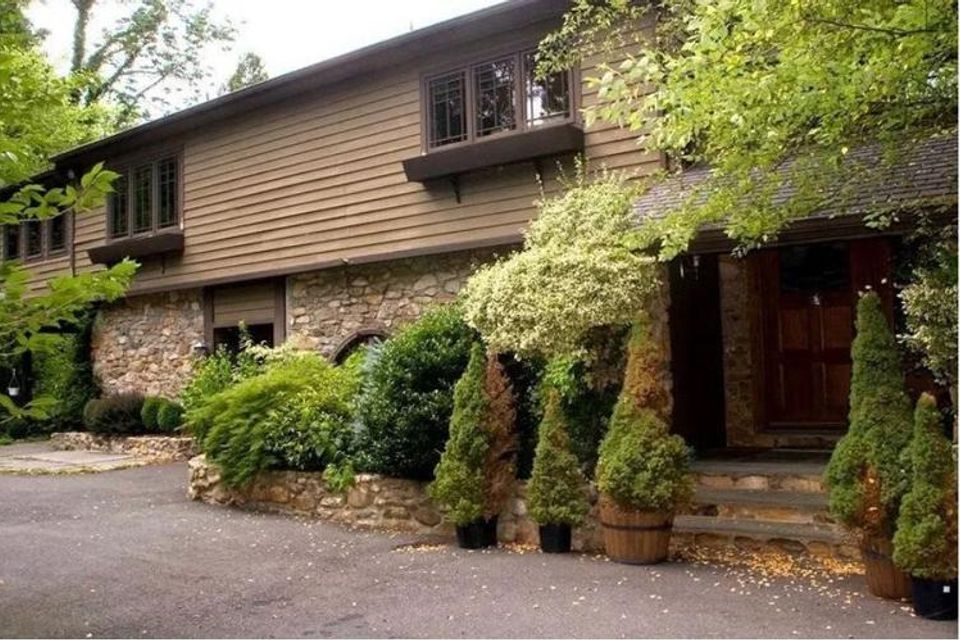
For those who may not be familiar with the property known as The Tarn, or Pondview, located off Flanders-Bartley Road, I wanted to provide some background on its history, why the Township purchased it, and why we have decided to take a different direction.
The property consists of approximately 23 acres, including an older building known as The Tarn. Under the previous administration, the property had gone into foreclosure, and the Township purchased it with the intention of potentially restoring the building and using it for recreation, community activities, or possibly renting it out for private events.
While those ideas certainly had potential, the reality is that restoring a property of this size would require a substantial financial investment.
Based on preliminary estimates, bringing the property and building up to a usable condition could cost anywhere from $2 million to $4 million, possibly more. That doesn't include the ongoing costs of maintaining the property, operating the facility, or making additional improvements that could become necessary.
When I became Mayor and began reviewing the Township's finances, particularly the challenges we were facing with declining revenues and increasing operating expenses, I had to ask a simple question:
Is spending millions of additional taxpayer dollars on this property the best use of our limited financial resources?
After considering the potential costs and the Township's other priorities, I did not believe it was financially responsible to move forward with such a major investment at this time.
We already have significant responsibilities when it comes to maintaining our roads, parks, municipal buildings, recreational facilities, and other public infrastructure.
Our Department of Public Works does an excellent job, but it also has an enormous amount of property and infrastructure to maintain. Adding another 23-acre property and a large, aging building to its responsibilities would place even greater demands on our employees, equipment, and operating budget.
Purchasing a property is only the beginning. The real financial commitment comes with restoring it, operating it, and maintaining it year after year.
That is why I made the decision not to commit millions of additional taxpayer dollars to restoring The Tarn.
Instead, the property has been placed up for sale, and we are hopeful that a buyer will recognize its potential and transform it into a beautiful private property that can be enjoyed and properly maintained.
I understand why the Township originally saw an opportunity in acquiring this property. However, financial circumstances change, and responsible government requires us to evaluate whether previous plans still make sense based on today's realities.
My responsibility as Mayor is to make decisions based on what is financially sustainable for our residents, not simply continue spending money because a project was started under a previous administration.
There are many worthwhile projects we would love to undertake throughout Mount Olive, but we must prioritize essential services, maintain the facilities we already own, and carefully consider the long-term financial impact of every investment.
The bottom line: The Tarn is a beautiful 23-acre property with potential, but restoring it for municipal use could require millions of taxpayer dollars, along with substantial ongoing maintenance expenses.
At a time when we are working to control spending and address our financial challenges, I believe it is important to explain why we are choosing not to make that additional investment.
Our hope is that the property finds a new owner who can bring it back to life, while allowing the Township to focus its financial resources on the services and priorities our residents rely upon every day.
Screenshot 2026 11 21 at 10.51.28 am

Whats Going on With Budd Lake Beach?

I know many residents have been asking when Budd Lake Beach will reopen, and I want to provide an update on the project, the delays we have experienced, and what we are working toward.
The renovation of Budd Lake Beach has been in the planning stages for more than four years. Unfortunately, much of the delay has been caused by the lengthy approval and permitting processes involving the New Jersey Department of Transportation (NJDOT) and the Department of Environmental Protection (NJDEP).
Our goal has always been to transform Budd Lake Beach into the beautiful, safe, and welcoming recreational facility that our residents and families deserve.
This is not simply a matter of cleaning up the sand and reopening the gates. The project involves several major improvements, including:
  • A redesigned entrance and exit to improve traffic flow and safety along Route 46.
  • Installation of a new well to provide a reliable water supply.
  • Permanent restroom facilities to replace the inadequate facilities previously available.
  • Improvements to the beach area, including cleanup and restoration of the shoreline and surrounding grounds.
  • Cleaning and improving the water and swimming area to provide a safer and more enjoyable experience for families.
Unfortunately, obtaining the necessary state permits took more than three years. These approvals were essential, particularly because the project involves access to Route 46 and work near a natural lake.
Once we worked through those issues, we encountered another delay involving JCP&L.
An existing utility pole must be relocated from the driveway area before we can move forward with the entrance improvements. Coordinating that relocation, obtaining the necessary permits, and getting the work scheduled has added approximately another six months to the process.
I understand how frustrating these delays have been. Believe me, I share that frustration.
However, when a project involves state agencies, environmental regulations, roadway safety, and utility companies, the Township cannot simply bypass the required approvals and proceed on its own.
Where Do We Stand Today?
We are hopeful that the remaining utility work and approvals will allow construction to begin this coming spring.
While I would love to give everyone a firm reopening date, I do not want to make promises that depend on outside agencies or contractors completing their work on a specific schedule.
More importantly, I do not want to reopen Budd Lake Beach until it is clean, safe, properly equipped, and ready for families to enjoy.
Our residents deserve more than a temporary fix. They deserve a recreational facility that we can be proud of and that will serve the community for years to come.
Budd Lake is one of Mount Olive's greatest natural assets, and the beach should reflect that.
The bottom line: This project has not been forgotten or abandoned. The Township has continued working through years of state permitting delays, required roadway improvements, and utility relocation issues to move the renovation forward.
I appreciate everyone's patience and understand the desire to see the beach open again. I want that just as much as you do.
Our goal is not simply to reopen Budd Lake Beach. It is to reopen it the right way—with the safety, amenities, and improvements our residents and families deserve.
Screenshot 2026 11 21 at 2.39.20 pm

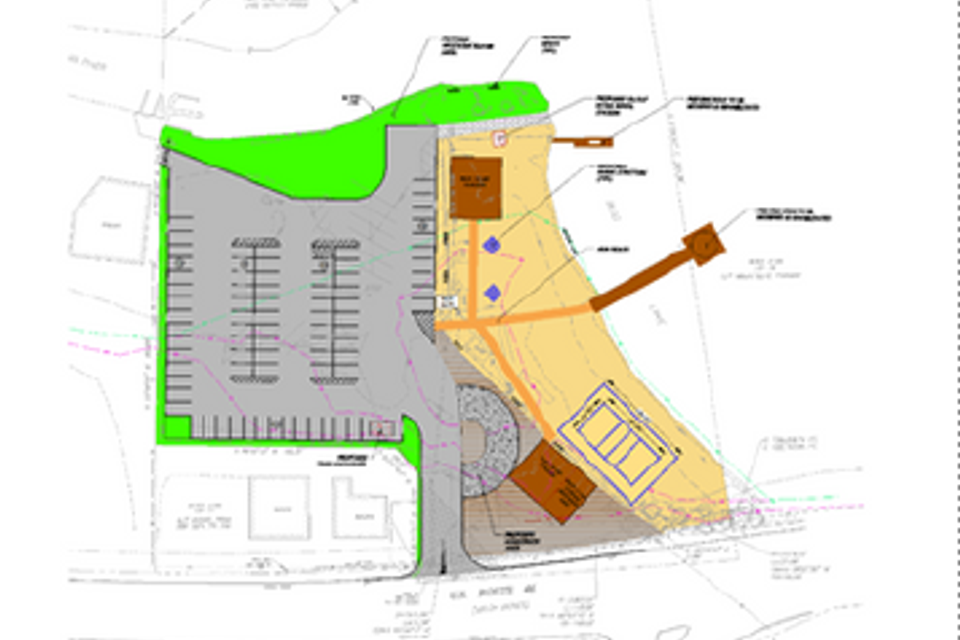
Why Are Developments Like the Proposed Former Aldi Site Allowed in Mount Olive?

This is a question I hear from residents, and I understand the concerns that come with new development, particularly when it involves traffic, environmental impacts, or changes to the character of our community.
The first thing to understand is that these properties are privately owned. Property owners have certain legal rights regarding how they can develop their land, provided their proposed projects comply with applicable zoning regulations, land-use laws, and development requirements.
The Township cannot simply deny a project because some residents or elected officials do not like it.
Think of it this way: If you wanted to build an addition onto your home and your plans complied with all applicable zoning, building, and other requirements, the Township generally could not arbitrarily tell you that you were not allowed to proceed.
The same basic principle applies to commercial property owners, although commercial developments typically involve much more extensive reviews and requirements.
That is why we have a Planning Board.
Our Planning Board does an excellent job reviewing development applications and making sure applicants address the requirements established by law. Depending on the project, that review may include traffic studies, stormwater management, environmental considerations, drainage, parking, landscaping, lighting, and other potential impacts on the surrounding community.
The Planning Board's responsibility is to evaluate each application based on the law and the evidence presented, not simply whether a particular development is popular or unpopular.
It is also important to understand that not every development is automatically entitled to approval. If a proposal does not comply with applicable requirements, it may need variances, waivers, or other approvals, and those requests must be evaluated under the appropriate legal standards.
This is also why public hearings are so important.
Residents have an opportunity to attend Planning Board meetings, hear what is being proposed, ask questions, raise concerns, and provide relevant information during the public portions of the application process.
I strongly encourage residents to participate. If you have concerns about traffic, safety, drainage, environmental impacts, or other issues, the public hearing is the appropriate place to make those concerns known so they can become part of the official record.
As Mayor, I may personally agree or disagree with certain aspects of a proposed development. However, my personal opinion does not override a property owner's legal rights or the responsibilities of the Planning Board.
We must follow New Jersey's land-use laws and treat every applicant fairly.
The bottom line: We may not always like what is proposed on privately owned property, but the Township cannot arbitrarily prevent lawful development. What we can do is ensure that every application receives a thorough review, that all applicable requirements are addressed, and that residents have the opportunity to be heard.
That is how we protect the community while respecting the law and the rights of property owners.


Screenshot 2026 11 21 at 11.27.10 am

Why So Much Building in Town?

There is actually less new construction taking place in Mount Olive today than in many previous years. However, I continue to hear concerns from residents about additional housing developments, increased traffic, overcrowding, and the impact on our community.
I understand those concerns, and I want to explain why some of these developments are being proposed and why the Township does not have complete control over them.
The biggest factor is New Jersey's state-mandated affordable housing requirements.
We are now entering what is known as Round 4 of New Jersey's affordable housing obligations, which covers the next ten years.
Under these requirements, Mount Olive is facing a housing obligation that could involve approximately 1,600 residential units, based on our current planning estimates. It is important to understand that this figure represents the anticipated housing development needed to address the obligation, not necessarily 1,600 affordable units.
These requirements involve residential housing, not commercial development.

What Happened Under Round 3?

Some of the housing developments residents are seeing today were approved or planned under the previous affordable housing round.
Examples include:
  • Mountain Ridge Estates on Route 46: Approximately 269 residential units.
  • Mount Olive Grove in the International Trade Center (ITC) area: Approximately 478 residential units.
Together, these two developments represent approximately 747 residential units associated with earlier housing plans.
Although construction may be taking place today, these projects originated under previous affordable housing obligations and planning decisions.

What About Round 4?

As we work through the new round of state requirements, additional properties are being evaluated for potential residential development.
Among the properties being considered are:
  • Village Green, the former HomeGoods property.
  • Approximately 57 acres of Township-owned land on the north side of the International Trade Center.
These properties are part of the broader discussion about how Mount Olive can address its state housing obligations while considering the impact on our community.

Does the Township Have a Choice?

If it were entirely up to the current administration, we would not be looking to add large residential developments to Mount Olive.
We recognize the concerns residents have about traffic, schools, infrastructure, emergency services, and preserving the character of our Township.
However, New Jersey municipalities are legally required to address their affordable housing obligations.
Simply refusing to participate is not a realistic option. Failing to comply can expose a municipality to legal challenges and potentially reduce its ability to control where and how development occurs.
Our responsibility is to work within the law while protecting Mount Olive's interests as much as possible.
That means carefully evaluating potential development sites, considering infrastructure and environmental limitations, and working to ensure that any proposed development is reviewed under applicable planning and zoning requirements.

Why Residents Need to Understand This

I want residents to understand the difference between development that a municipality voluntarily encourages and housing development that results from state-imposed obligations.
Not every new housing project is something the Mayor or Township Council sought out or wanted.
In many cases, municipalities are trying to meet legal requirements while minimizing the impact on existing neighborhoods and infrastructure.
That does not mean we stop asking questions, reviewing proposals, or advocating for what is best for Mount Olive.
It means we must approach these decisions responsibly, with an understanding of the legal requirements and the potential consequences of failing to meet them.

Watch Our Affordable Housing Town Hall Meeting

Last year, we held a public Town Hall meeting specifically to explain New Jersey's affordable housing mandates, what they mean for Mount Olive, and the challenges facing our community.
I strongly encourage residents to watch the presentation to better understand the issue.
Watch the Affordable Housing Town Hall Meeting:
https://mountolivetownshipnj.new.swagit.com/videos/372847

The Bottom Line

Mount Olive is not pursuing large residential developments simply because we want more housing. We are responding to requirements imposed by the State of New Jersey.
Our goal is to meet those obligations in the most responsible way possible while protecting our residents, infrastructure, open space, and quality of life.
I share the concerns many residents have about continued development. But I also believe residents deserve to understand why these projects are being considered, what authority the Township actually has, and what we are doing to manage their impact.
We cannot simply ignore state law, but we can continue fighting to make sure Mount Olive's interests are represented throughout the process.
Download

Let's Clear Up the Misinformation About the Ownership of BBQ Pit Restaurant

You can click here to review the company's ownership paperwork.

There has been misinformation circulating on social media regarding the ownership of BBQ Pit Restaurant in Mount Olive. I want to address it directly and explain the facts.
First, there is nothing inherently wrong with a Mayor or Council member owning a business in the town where they serve. Elected officials are also residents, taxpayers, and members of the business community. However, there are ethical and conflict-of-interest requirements that must be followed.
For example, when an elected official has an ownership interest in a business requiring municipal inspections, arrangements may need to be made for another municipality to conduct those inspections to avoid any potential conflict of interest.
In fact, when we had work done on our own home in Mount Olive, we followed that process and had the inspections performed by another municipality.

So, Who Owns BBQ Pit?

The restaurant is owned by my nephew and two other individuals. Neither Councilwoman Mary Lalama nor I have any ownership interest in the business.
Originally, I had considered being involved in the restaurant. Had I moved forward, I fully intended to follow the appropriate procedures, including having any necessary inspections handled by another municipality.
However, the restaurant was scheduled to open in May 2025, and I knew I would be undergoing neck surgery in June 2025. After considering the recovery time and the physical demands of being involved in a restaurant, I decided it would not be in my best interest to participate in the business.
That decision was made before the restaurant opened, and I did not become an owner.

Have I Helped Promote the Restaurant? Absolutely.

I have never hidden the fact that my nephew is one of the owners.
Do I help promote BBQ Pit? Yes, absolutely.
But I also promote many other local businesses throughout Mount Olive. As Mayor, I believe supporting our local business community is important. These businesses create jobs, contribute to our local economy, and provide services to our residents.
My nephew's restaurant is no different in that respect.

Did I Help Submit Permits? Yes.

Another issue that has been raised is whether I helped my nephew submit paperwork for the restaurant.
The answer is yes.
Since I was already at Town Hall, I assisted him in submitting the necessary permit applications.
However, there is an important distinction between submitting paperwork and owning or operating a business. Even our names were on the permits
(when we intended to be part of it) as owners that does not mean we are legally owners. Helping someone deliver or submit an application does not make that person an owner, nor does it give them authority over the approval process.
The applications were still subject to the applicable municipal requirements and review procedures.

The Ownership Documents Speak for Themselves

Rather than continue debating rumors on Facebook, I believe it is better to provide the documentation so residents can see the ownership information for themselves.
You can click here to review the company's ownership paperwork.
The documents identify the individuals associated with the business. Neither Councilwoman Mary Lalama nor I are owners.

Let's Support Our Local Businesses, Not Harm Them

I understand that, as Mayor, my actions are subject to public scrutiny, and I welcome legitimate questions. Residents have every right to ask about potential conflicts of interest and expect transparency from their elected officials.
That is why I am addressing these questions openly.
However, I also believe it is important to recognize that this is a local business operated by individuals who have invested their own time, money, and effort into making it successful.
Political disagreements should not become a reason to spread inaccurate information that could negatively affect a local business and the people who depend on it.
I hope this explanation, along with the ownership documentation, puts the matter to rest.
The bottom line is simple: My nephew and two other individuals own BBQ Pit. Councilwoman Lalama and I do not. Helping a family member submit paperwork or promoting a local restaurant does not change that fact.
I will continue supporting local businesses throughout Mount Olive, just as I have always done.
Screenshot 2026 11 21 at 1.28.27 pm

Let's Set the Record Straight About the Mount Olive Recreation Newspaper

There have been accusations circulating on social media claiming that Councilwoman Mary Lalama and I have received anywhere from $60,000 to $100,000 in Township funds for publishing the Recreation Department's seasonal newspaper through Mount Olive Life.
Those accusations are false, and the actual numbers tell a very different story.
First, it is important to understand how the process works.

The Township's Competitive Bidding Process

When the Township needs to purchase goods or services, it must follow applicable New Jersey public purchasing laws, which may require competitive bidding or the solicitation of quotations depending on the contract.
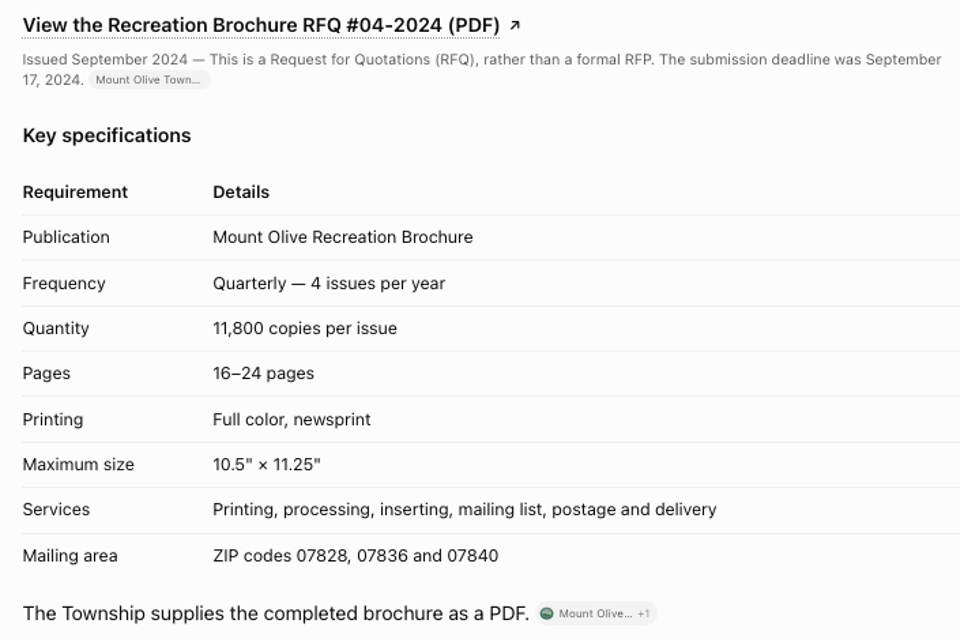
The Recreation Department's publication was no different. The Township solicited pricing for the project, giving other qualified companies an opportunity to submit proposals.
According to the Township's procurement history, the opportunity was advertised multiple times, but Mount Olive Life was the only publication to respond.
This was not a contract simply handed to me or Councilwoman Lalama. It went through the Township's purchasing process.

What Did the Township Actually Pay?

Let's look at the actual costs rather than the exaggerated amounts being circulated.
Year Issues Published Total Cost
2025-3 Issues $11,685
2026-4 Issues $12,829
It is also important to point out that these costs do not include the value of the many public service announcements, Recreation Department advertisements, and community promotions that Mount Olive Life publishes at no charge to the Township.

Why Did the Recreation Department Change Its Publication?

Historically, the Recreation Department produced a full-color seasonal brochure that was distributed primarily through Mount Olive's four elementary schools and middle school.
Approximately 4,000 copies were printed, generally consisting of 16 to 24 pages, at a cost of approximately $5,000 per brochure.
While that approach provided information to families with school-age children, it did not reach many other residents, including seniors, households without children in the school system, and newer residents.
The goal was to improve communication while controlling costs.
By distributing the Recreation Department's seasonal information through Mount Olive Life, the Township could reach a much larger audience at a lower cost per publication. Approximately 18,000 households Mailed.
The Township went from spending approximately $5,000 to distribute 4,000 brochures to spending less than $4,000 per issue to reach approximately 18,000 households.
It is also important to understand that the amount the Township pays for these publications is not the amount our business makes in profit.
There are significant expenses associated with producing and distributing a newspaper, including printing, postage, production, and other operating costs. The typical profit margin on this type of publication is approximately 20%.
Even using that estimate, our business would have earned approximately $3,000 to $4,000 in profit over the two-year period, depending on actual expenses. That is a far cry from the $60,000 to $100,000 some have suggested we received as profit.